

With India's diverse food culture and complex supply chains, ensuring food safety is both a necessity and a challenge. The Food Safety and Standards Authority of India (FSSAI) plays a crucial role in regulating food quality and protecting public health. This blog explores FSSAI’s role, key initiatives, ongoing challenges, and its impact in building a safer, more reliable food ecosystem.
Understanding FSSAI: India’s Unified Food Safety Authority
The Food Safety and Standards Authority of India (FSSAI) was established under the Food Safety and Standards Act, 2006, to streamline and strengthen food regulation in India. By consolidating multiple existing laws—such as the Prevention of Food Adulteration Act (1954) and the Milk and Milk Products Order (1992)—FSSAI introduced a centralized, science-based framework for food safety.
Core Objectives of FSSAI:
Establish science-backed standards for food products.
Oversee the manufacture, storage, distribution, sale, and import of food.
Ensure access to safe, wholesome, and hygienic food for consumers.
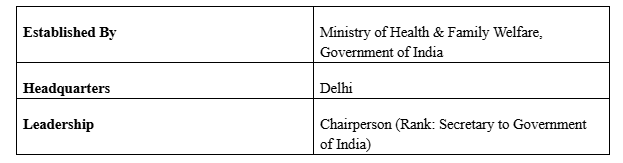
FSSAI Overview
Mandates and Functions of FSSAI
The Food Safety and Standards Authority of India (FSSAI) is responsible for ensuring food safety and quality across the nation through the following key functions:
- Formulating Food Safety Regulations: Develops and updates science-based standards for food products to ensure public health and safety.
- Accrediting Certification Bodies: Approve agencies that certify food safety management systems for food businesses.
- Laboratory Oversight: Establishes guidelines and authorizes laboratories for food testing and analysis.
- Scientific and Policy Advisory: Offers expert advice to central and state governments on policies related to food safety and nutrition.
- Surveillance and Risk Monitoring: Collects and analyzes data on food consumption trends and biological hazards.
- Public Information Network: Builds a nationwide system to spread awareness about food safety practices and standards.
- Capacity Building: Organizes training and education programs for food business operators to ensure compliance and best practices.
- Global Collaboration: Participates in the development of international food safety standards to align with global best practices.
Key Initiatives by FSSAI
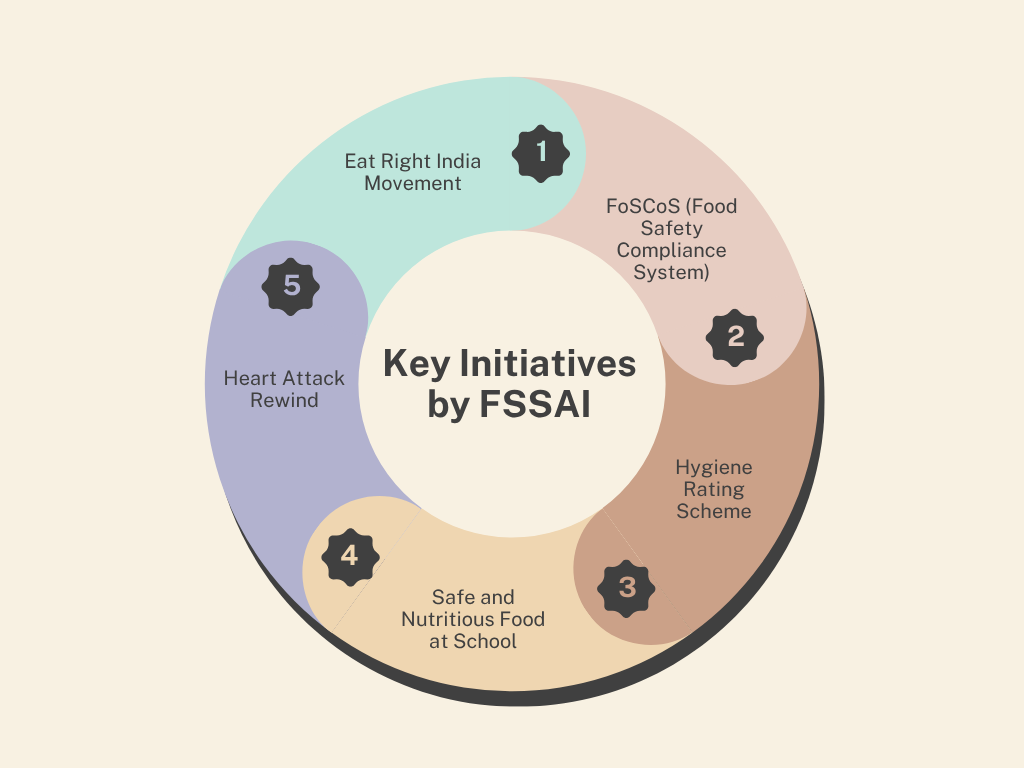
1. Eat Right India Movement
Promotes safe, healthy, and sustainable eating habits among consumers through public awareness campaigns.
2. FoSCoS (Food Safety Compliance System)
A digital platform that streamlines licensing, registration, and compliance for food businesses.
3. Hygiene Rating Scheme
Encourages eateries and food outlets to follow hygiene best practices, with public display of hygiene ratings.
4. Safe and Nutritious Food at School
Partners with schools to instill food safety and nutrition habits among students from a young age.
5. Heart Attack Rewind
A campaign aimed at eliminating industrial trans fats from the food supply, with a goal of making India trans fat–free.
Challenges in Food Safety Regulation
Despite FSSAI’s comprehensive framework, several challenges continue to hinder effective food safety enforcement in India:
1. Fragmented Supply Chains:
India’s vast and decentralized food distribution network complicates traceability, making it difficult to monitor safety and quality across the entire chain in real time.
2. Unorganized Food Sector:
A significant portion of India’s food businesses operate informally, lacking the awareness, infrastructure, and resources needed to meet regulatory standards.
3. Inadequate Testing Infrastructure:
The uneven distribution and limited capacity of accredited food testing laboratories delay timely analysis and enforcement, especially in remote and rural regions.
4. Low Consumer Awareness:
Limited understanding of food safety norms, labels, and certifications among consumers reduces the demand for safe, quality-assured food products.
Conclusion
FSSAI’s role in safeguarding India’s food ecosystem is indispensable. Its efforts to harmonize food safety standards and promote public awareness are crucial in addressing the challenges of the complex food.