

Introduction
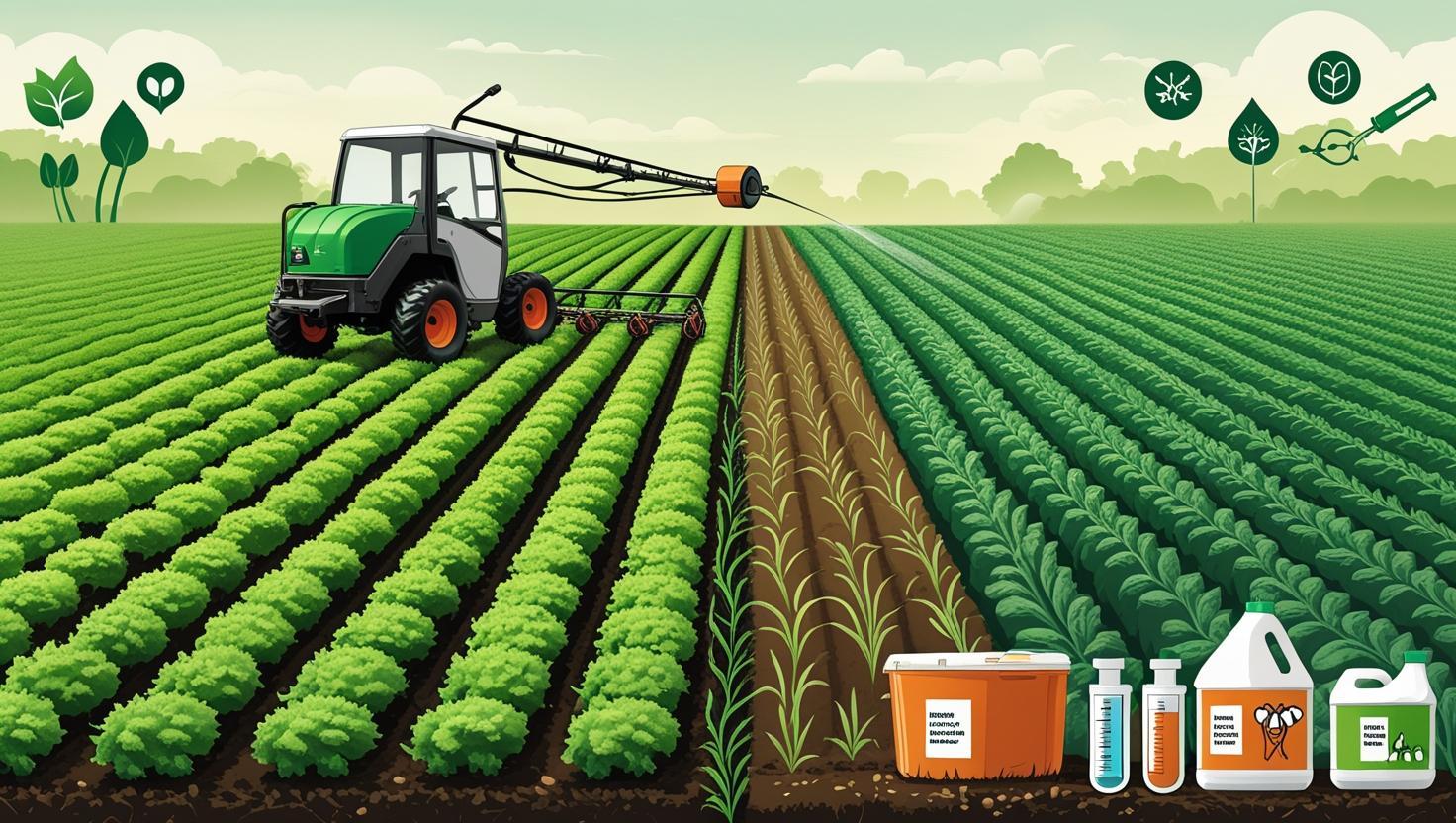
Agriculture has transformed significantly since the mid-20th century, moving from subsistence farming to reliance on agrochemicals. These include fertilizers and pesticides essential for crop protection and yield improvement. While agrochemicals have increased food production, they have also raised concerns regarding sustainability and environmental impact. This blog explores the role, benefits, and challenges of agrochemicals in Indian agriculture, focusing on sustainable practices.
What are Agrochemicals?
Agrochemicals refer to a broad range of chemical products used in agriculture, including fertilizers, herbicides, and pesticides
Current Market Overview and Future Prospects
India ranks as the fourth-largest producer of agrochemicals globally, with the industry projected to reach $8.1 billion by 2025. However, challenges such as lengthy registration processes for new molecules and high raw material costs persist.
Importance of Agrochemicals in Indian Agriculture
Agrochemicals play a crucial role in boosting agricultural productivity and sustaining the Indian economy. Here are some reasons why they are indispensable:
- Increased Crop Yield: Agrochemicals help improve crop quantity and quality, ensuring a reliable food supply.
- Protection Against Pests: Nearly one-third of potential crop yields are lost to pre-harvest pests. Without pesticides, losses from over 30,000 weed species, 3,000 nematode species, and 10,000 plant-eating insects would cost India INR 1.48 lakh crores annually.
- Cost-Effectiveness and Efficiency: Agrochemicals deliver quick results, are easily available, and provide high returns on investment.
Key Benefits:
- Improved crop yield and quality
- Reduced loss from pests and diseases
- Enhanced shelf life of agricultural produce
Challenges in the Agrochemical Industry
Despite their benefits, the overuse and mismanagement of agrochemicals present significant challenges:
1. Environmental Impact:
Excessive use of fertilizers and pesticides depletes soil and water quality, impacting 52% of the global population by 2050.
2. Health Risks:
According to UNEP and WHO, about 3 million people suffer from pesticide poisoning annually, with 10,000-20,000 deaths occurring in developing countries.
3. Pest Resistance:
Overuse leads to resistance in pests, making pest control more challenging and necessitating the development of new solutions.
Sustainable Alternatives and Innovations
In response to these challenges, the agrochemical industry is exploring sustainable alternatives:
- Integrated Pest Management (IPM): A holistic approach to pest control that reduces reliance on chemicals by incorporating biological control, crop rotation, and resistant varieties.
- Integrated Crop Management (ICM) and Integrated Nutrient Management (INM): These focus on efficient use of resources, reducing chemical dependency, and improving soil health.
- Biostimulants and Biopesticides: These biological alternatives minimize environmental impact and promote sustainable agriculture.
Government and Industry Efforts
To address the challenges in the agrochemical industry and ensure sustainable practices, both the Indian government and industry stakeholders have implemented several reforms:
- Streamlining Registration Processes: The agrochemical registration process in India has often been time-consuming, adding to costs. Efforts are underway to expedite these processes, aiming to complete registrations within a year, making new, safer molecules more readily available.
- Local Production of Raw Materials: India imports around 50% of its technical-grade agrochemical ingredients, mostly from China. The government is encouraging domestic production under the
- Promoting Contract Manufacturing: Contract manufacturing is being promoted to improve scalability. This allows agrochemical companies to focus on research and marketing while outsourcing production, thus reducing operational costs and improving efficiency.
- Farmer Education and Safety Programs: Poor handling practices among farmers have led to health concerns. Initiatives for training farmers on safe handling and correct pesticide usage are being implemented to reduce health risks and ensure responsible use of agrochemicals.
Conclusion
The journey of agrochemicals in Indian agriculture is marked by both successes and challenges. While they have played a crucial role in food security, their overuse has raised environmental and health concerns. Moving forward, the adoption of sustainable practices, government support, and technological innovation will be key to ensuring that agrochemicals continue to support Indian agriculture without compromising future sustainability.