

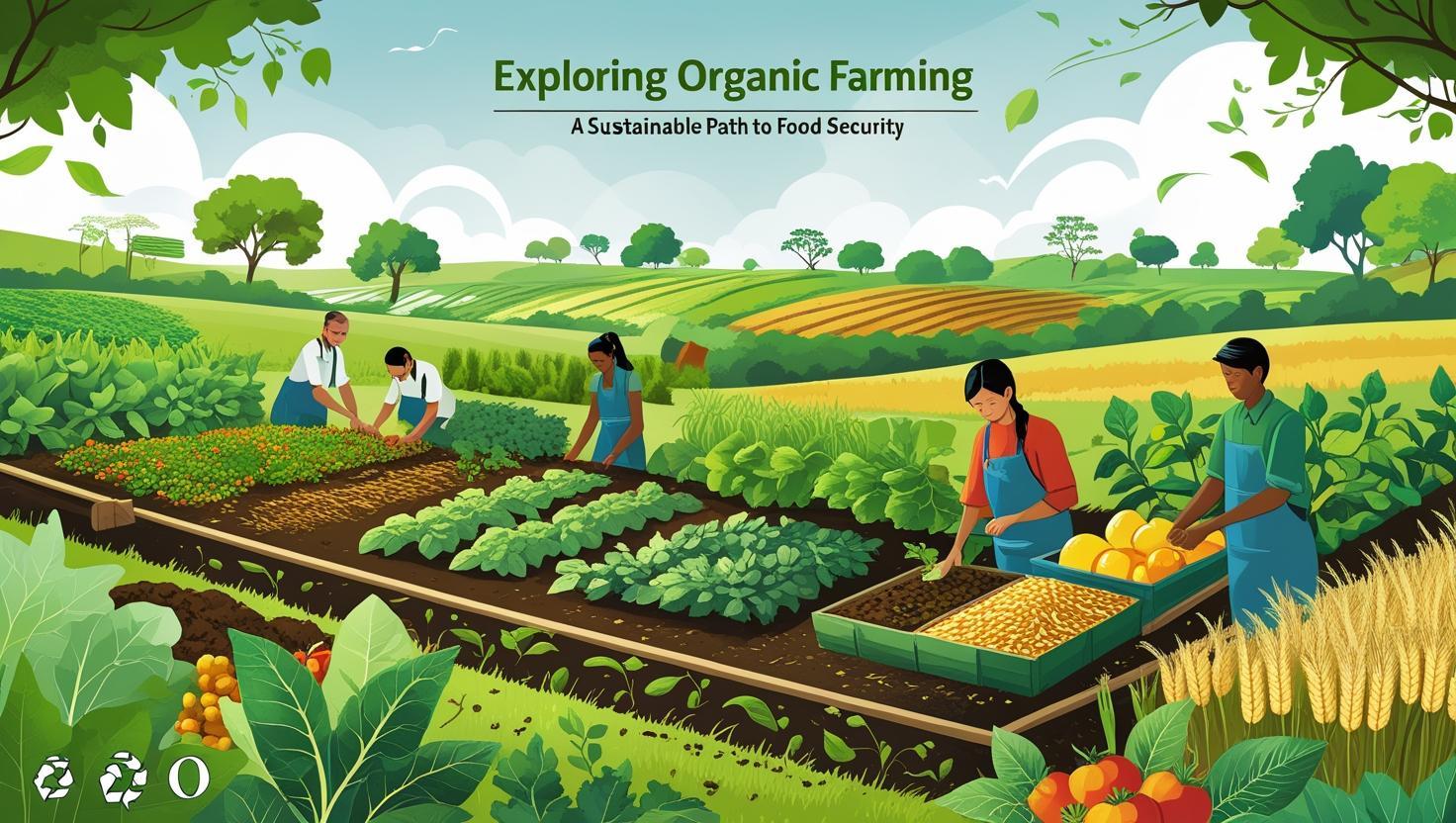
Organic farming has gained significant attention worldwide as an alternative to conventional agriculture, offering a more sustainable and environmentally friendly approach to food production. Driven by agroecological principles, organic farming emphasizes the use of natural inputs, crop rotation, composting, and biodiversity, aiming to sustain healthy ecosystems and promote resilience against climate change. The relevance of organic farming is heightened as it aligns closely with Sustainable Development Goals (SDGs), particularly SDG 2, which focuses on eradicating hunger, achieving food security, improving nutrition, and promoting sustainable agriculture. In this blog, we delve into the unique characteristics of organic farming, its pros and cons, and examine whether it can be a viable solution to the current agricultural challenges.
Unique Aspects of Organic Farming
Organic farming operates with an emphasis on long-term sustainability and soil health. Unlike conventional farming, it abstains from chemical fertilizers and pesticides, focusing instead on natural methods like crop rotation, cover cropping, and the use of compost to maintain soil fertility. This approach minimizes negative environmental impacts, such as water pollution and soil erosion, often associated with intensive chemical use in conventional agriculture.
In addition to these core practices, organic farming promotes biodiversity by creating habitats for beneficial insects, birds, and soil organisms. According to research, organic farms often have higher levels of biodiversity than their conventional counterparts, which helps control pests naturally and contributes to ecological balance. Organic farms also prioritize the Law of Return, emphasizing the recycling of organic waste materials back into the soil to maintain fertility over the long term.
Pros of Organic Farming
1. Environmental Sustainability: Organic farming is inherently designed to protect the environment. By eliminating chemical inputs, it reduces soil degradation, water contamination, and promotes biodiversity. Soil on organic farms has been shown to retain higher organic matter, leading to better water retention and resilience in extreme weather conditions.
2. Nutritional Benefits: Studies indicate that organic produce may contain higher levels of essential nutrients, minerals, and antioxidants compared to conventional crops. This is attributed to healthier soil, free from synthetic pesticides and fertilizers, which enables plants to develop stronger natural defences.
3. Market Premiums: Organic produce often fetches higher market prices, allowing farmers to compensate for lower yields. Reports indicate that organic farming can be up to 35% more profitable due to these premiums, making it economically viable despite potential yield gaps.
4. Climate Resilience: Organic farming practices contribute to climate resilience. Studies have shown that during drought years, organic farms performed better than conventional farms due to healthier soil and improved water retention.
With agriculture being a major contributor to greenhouse gas emissions, organic farming helps reduce emissions by avoiding synthetic fertilizers.
Cons of Organic Farming
1. Lower Yields: Organic farming often produces lower yields compared to conventional farming. Studies have shown that yields can be 10% to 34% lower, depending on the crop and climate. To meet global food demands, more land might be required, which could impact natural ecosystems if not managed carefully.
2. Labor-Intensive: Organic farming is labor-intensive due to practices like hand weeding, composting, and crop rotation. This can increase operational costs, making it challenging for small-scale farmers who lack labor resources.
3. Transition Challenges: Converting conventional farmland to organic requires time and investment, often needing a three-year transition period. During this time, yields may drop, and farmers may face financial difficulties without immediate market premiums for their products.
4. Market and Certification Limitations: The certification process for organic farming is stringent, costly, and often prohibitive for small farmers in developing countries. Additionally, access to organic markets may be limited, which further challenges the profitability and scalability of organic farming.
Statistics on Organic Farming
- Organic farming accounts for about 1.5% of total farmland globally, covering around 72 million hectares across 190 countries.
- Organic produce can earn up to a 47% higher gross margin than conventional crops due to premium pricing.
- In the U.S., a 21-year study found that organic systems produced comparable yields to conventional systems, while using 45% less energy and releasing 40% fewer carbon emissions.
- Despite its growth, organic farming is still relatively niche, comprising only 10% of total agricultural production worldwide.
Can Organic Farming Achieve SDG Goals?
Organic farming holds the potential to contribute significantly to achieving SDG 2. It ensures sustainable food production, supports biodiversity and can provide nutritious food with reduced environmental impact. While yield limitations remain a concern, ongoing research and technology improvements could help bridge the gap. Additionally, organic farming’s
climate resilience and higher profitability for small-scale farmers make it a promising option for sustainable agriculture, particularly in areas where conventional farming is unsustainable.
Conclusion
Organic farming offers a sustainable alternative to conventional agricultural systems, promoting healthier ecosystems and better nutrition. Although it faces challenges such as lower yields and labor intensity, the benefits of organic farming in terms of environmental protection, climate resilience, and economic viability cannot be overlooked. As the demand for sustainable practices continues to grow, organic farming could play a key role in transforming global agriculture.
By aligning with SDG 2, organic farming can help achieve a future where food security, environmental health, and economic sustainability go hand in hand.