

Introduction
The global population surge has led to higher food demands, consequently increasing agriculture's carbon footprint. While agriculture contributes significantly to CO₂ emissions, it also offers promising solutions. With strategic carbon trading, agriculture can play a crucial role in mitigating climate change impacts.
What is Carbon Trading in Agriculture?
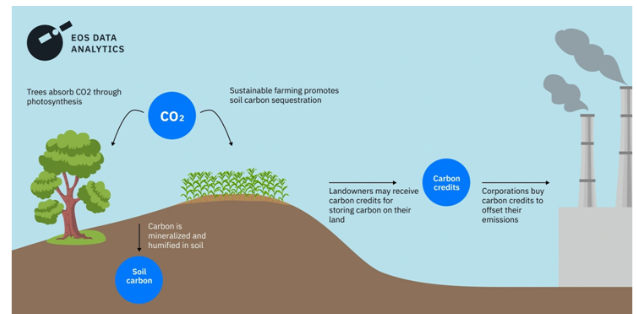
Carbon trading in agriculture involves buying and selling carbon credits. These credits are generated through sustainable farming practices that either reduce greenhouse gas (GHG) emissions or increase carbon sequestration. One carbon credit equates to one metric ton of CO₂ or an equivalent amount of GHG, which can be purchased by businesses or individuals seeking to offset their carbon footprint.
Significance of Carbon Trading in Agriculture
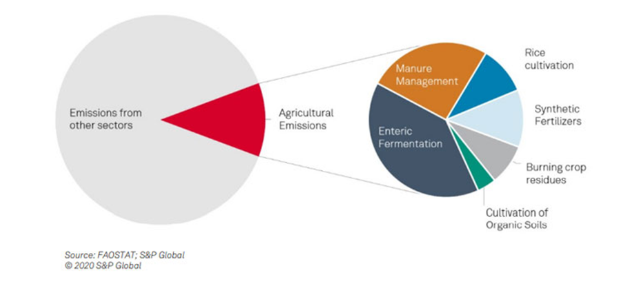
Agriculture's Carbon Footprint: Agriculture contributes about 11% of global GHG emissions, with the livestock sector being the largest contributor.
Sequestration Potential: Certain agricultural practices, like agroforestry, conservation tillage, and soil carbon sequestration, can effectively store carbon in the soil, helping to reduce atmospheric CO₂ levels.
Key Practices for Generating Carbon Credits
Steps for Farmers to Sell Carbon Credits
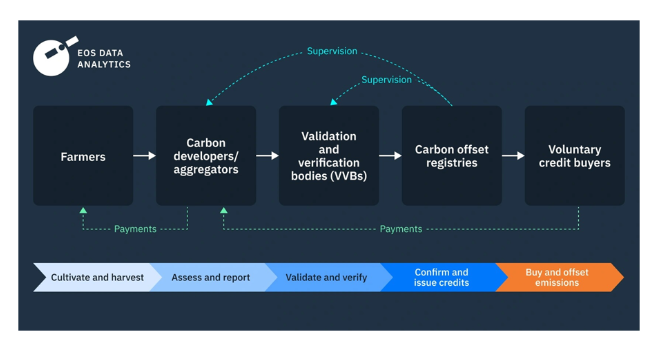
- Implement Sustainable Practices: Adopting environmentally friendly practices is the first step in generating carbon credits.
- Find a Carbon Credit Program: Join an exchange platform that connects farmers with buyers, functioning similarly to a stock market.
- Documentation and Verification: Secure documentation of land ownership and detailed land management practices, which is essential for verifying SOC (Soil Organic Carbon) sequestration.
- Participate in Online Markets: Online exchanges help farmers quickly trade carbon credits with interested buyers.
Technological Innovations in Carbon Credit Verification
1. Soil Organic Carbon Modeling
Soil Organic Carbon (SOC) models, integrated with satellite technology, provide an innovative way to estimate carbon storage. These models analyze soil testing data using advanced algorithms, which can predict carbon sequestration based on geographic and climatic conditions. The model also reduces soil sampling costs and offers insights into potential financial gains.
2. Variable Rate Application (VRA) Mapping
Mineral fertilizers, while beneficial for crop yields, contribute to GHG emissions. Variable rate application (VRA) mapping uses satellite data to apply fertilizers more precisely, targeting less fertile areas and minimizing usage where it isn’t needed. This approach reduces fertilizer dependency, enhancing SOC sequestration.
3. Satellite Detection of Cover Crops
Cover crops improve soil’s ability to sequester SOC. Using satellite-derived NDVI indices, project developers can monitor cover crop implementation remotely, ensuring that farmers meet their sustainability commitments.
The Role of Voluntary Carbon Markets (VCM) in Agriculture
The Ministry of Agriculture & Farmers Welfare has introduced a Voluntary Carbon Market framework to support small and marginal farmers. By participating, farmers can earn additional income from carbon credits while enhancing natural capital, such as soil quality, water conservation, and biodiversity.
S&P Global Study Insights:
- The food and beverage sector accounts for 57% of the demand for agricultural carbon credits.
- This demand emphasizes the critical role of agriculture in achieving emission reduction goals across various sectors.
Conclusion
Carbon trading in agriculture presents a sustainable pathway to balance food production with environmental preservation. By adopting carbon-sequestering practices, farmers contribute to climate change mitigation while benefiting financially. Through technological advances and supportive policies, carbon trading can transform agriculture into a key player in the global effort to reduce emissions.