

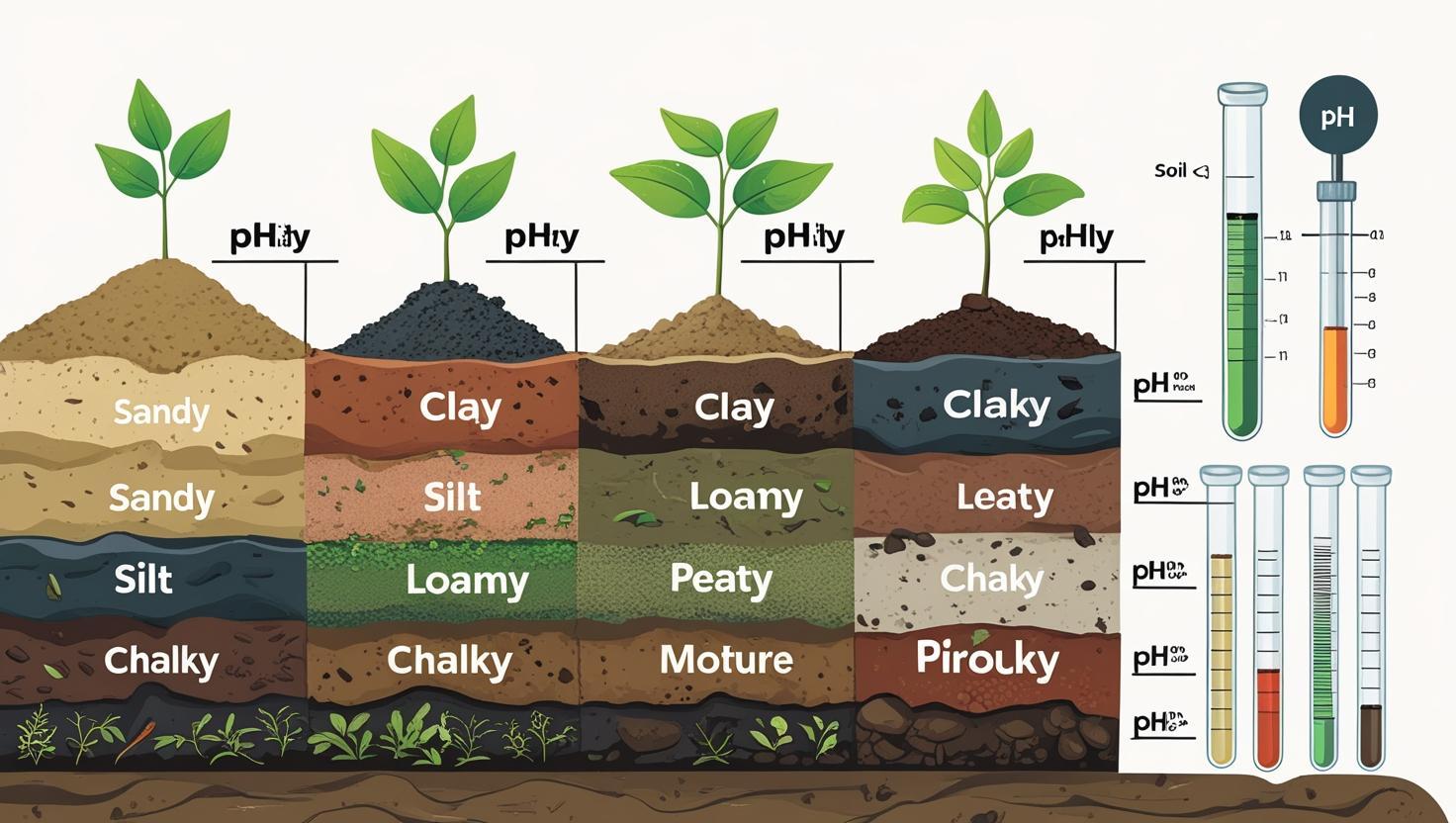
Before diving into the details of soil testing, let's first explore what soil is and the various types that exist
What is Soil?
Soil is a mixture of minerals, organic matter, water, and air that supports plant growth. Formed over thousands of years through the weathering of rocks and the decomposition of organic materials, soil provides essential nutrients for plants, helping them grow and thrive.
Types of Soil and Their Properties
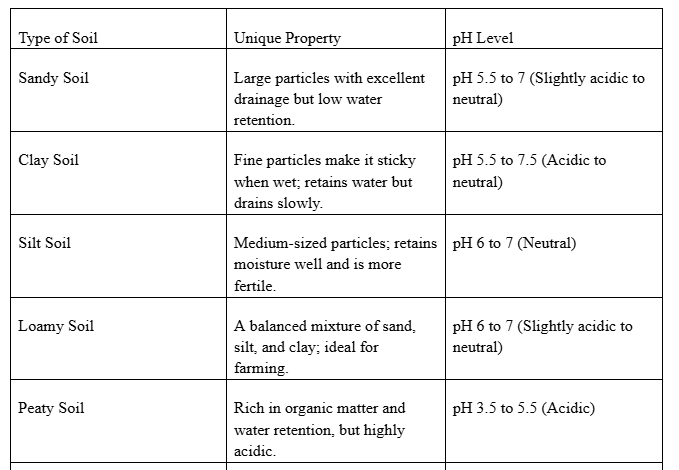
Each type of soil’s pH level can significantly affect plant growth and nutrient availability, so it is essential for farmers to test their soil before planting. Soil testing is a crucial process in modern agriculture. It helps farmers determine the chemical, physical, and biological properties of their soil, allowing them to make informed decisions for crop production and soil health management. Let’s explore the various aspects of soil testing, its importance, and how farmers can perform simple tests at home.
What is Soil Testing?
Soil testing involves analyzing a soil sample to assess its suitability for different agricultural applications. The test measures various properties like pH, nitrogen, phosphorus levels, and more, which are critical for ensuring healthy crop growth.
Why is soil testing important?
Soil testing plays a vital role in:
- Optimizing Crop Production: By knowing what nutrients are present or lacking, farmers can tailor their fertilization practices.
- Protecting the Environment: Prevents contamination by minimizing excess fertilizer runoff.
- Improving Soil Nutrient Balance: Ensures that crops receive the correct nutrients for optimal growth.
- Saving Costs: Farmers only apply necessary fertilizers, reducing waste and cost.
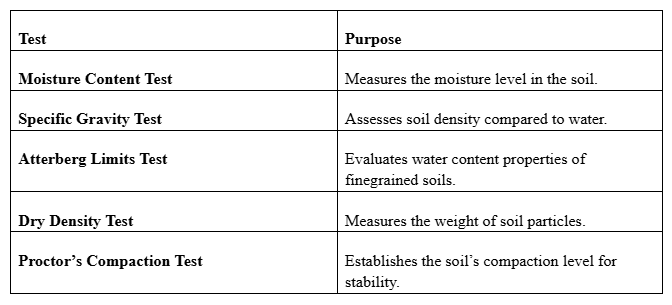
Types of Soil Tests
How to Test Soil at Home?
Farmers can perform simple soil tests at home without the need for lab analysis. Here are some easy methods:
- pH Test: Purchase a pH kit to measure soil acidity or alkalinity. Most crops grow best in soils with a pH between 6 and 7.
- Worm Test: If you find at least ten worms in a patch of soil, it indicates good organic matter content.
- Percolation Test: Dig a pit, fill it with water, and measure the drainage time. If it takes more than 4 hours, the drainage is poor.
- Squeeze Test: If the soil holds its shape when squeezed but crumbles easily, it’s good loam. Soil that remains clumpy may be clay-rich, while sandy soil will fall apart.
The Benefits of Soil Testing
Understanding your soil’s health brings numerous benefits:
- Informed Fertilizer Decisions: Know exactly what nutrients your soil needs, reducing the risk of overfertilization.
- Improved Soil Health: Testing monitors key soil health indicators like pH and Electrical Conductivity (EC).
- Maximized Crop Yield: Testing ensures plants receive the right nutrients, leading to better yields.
- Enhanced Farm Management: Soil testing allows for precision farming practices such as Variable Rate Technology (VRT), which optimizes fertilizer application rates based on soil health. \t
How is Soil Tested in Laboratories?
When soil samples are sent to a lab, the following steps are generally followed:
1. Sample Collection: A representative sample of soil is taken from the field.
2. Weighing and Moisture Preservation: The sample is weighed and placed in a container to retain moisture.
3. Chemical and Physical Analysis: The sample is tested for key nutrients like nitrogen and phosphorus, and the pH level is measured.
4. Electrical Conductivity (EC) Measurement: The EC of the soil is measured to assess the salt content. This indicates the amount of soluble salts in the soil, which affects plant growth and nutrient availability.
5. Nutrient Availability: Laboratory tests assess the availability of macro and micronutrients in the soil to determine how well it can support crop growth. If nutrient levels are low, recommendations for fertilizers are provided.
Soil testing is a vital tool for every farmer. By regularly testing the soil, farmers can optimize their fertilizer usage, protect the environment, and enhance their crop yields. Whether done in a lab or at home, understanding soil properties can significantly contribute to better farming practices and sustainability.