

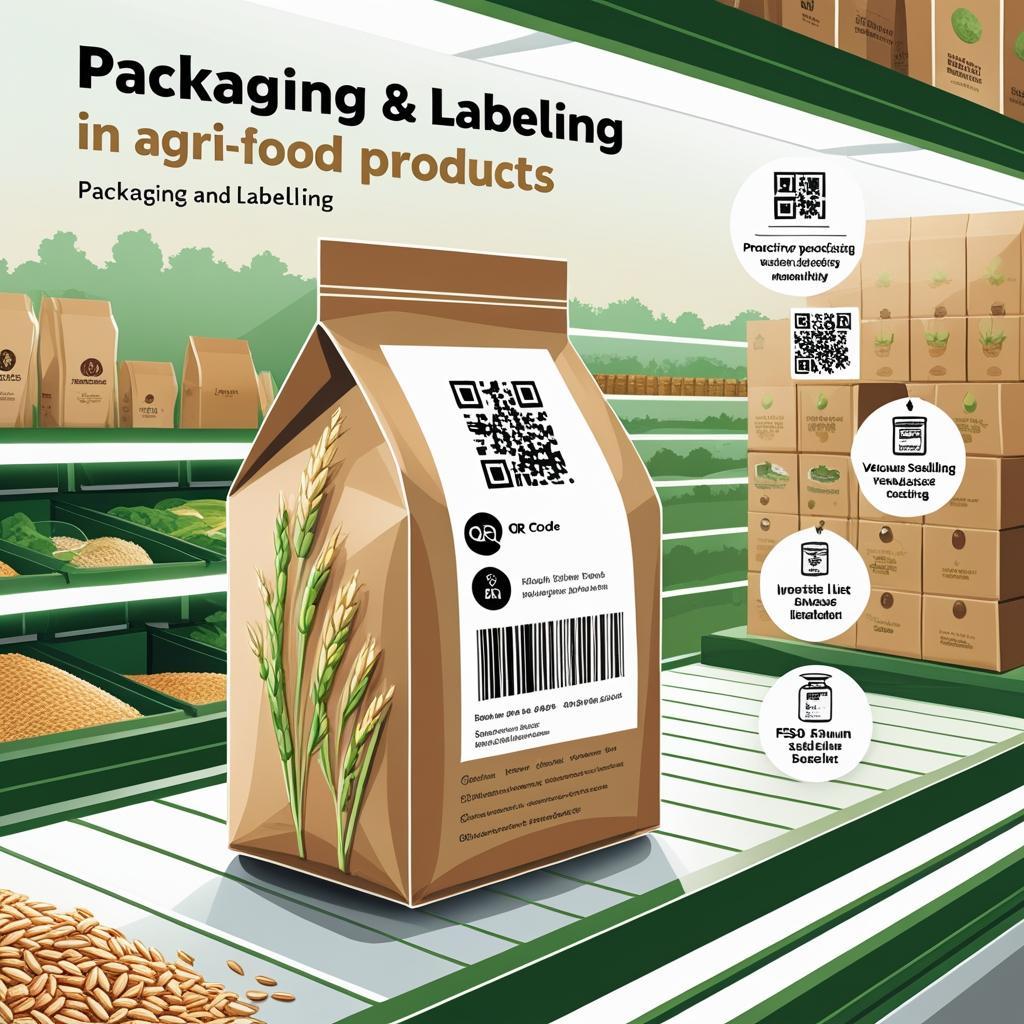
From the rice we eat to our favourite and seasonal fruits we snack on, every agri-food product we purchase goes through a journey before reaching our plate. Packaging and labeling are considered as most important steps in this journey. If you are someone who is aspiring to work in agriculture or an entrepreneur dreaming of launching your food brand, a basic understanding of packaging and labeling is essential.
Let's explore why packaging and labeling matter in agri-food products, what standards to follow, and how these two elements can make or break your products in the market.
Why packaging matters in agri-food products
Packaging is the first handshake between your product and your consumer; it protects, preserves, and promotes.
1. Protection & Preservation
Agri-food products, especially fresh produce and perishable products, are highly sensitive to environmental factors like moisture, oxygen, and temperature.
Why is proper packaging important?
- It prevents spoilage, contamination, and microbial growth
- It increases the shelf life
- It maintains nutritional quality
2. Transportation and storage
Agricultural supply chains often span long distances. Durable and stackable packaging protects goods during loading, unloading, and transport.
3. Convenience and functionality
Nowadays, consumers value packaging that is:
- Resealable
- Easy to open
- Microwave or freezer safe
Smart packaging improves usability by ensuring safe
IMPORTANCE OF LABELING IN AGRI-FOOD PRODUCTS
Labeling is all about trust and transparency; it gives consumers key information about what they are buying and eating.
Functions of labels
- Consumer information about nutritional value, usage, expiry date, etc.
- Legal compliance, meeting FSSAI or global standards
- Marketing tool because it helps in storytelling and branding
Types of packaging used in agri-food products
According to the nature of the product, different types of packaging are used

Innovations like biodegradable films, vacuum packaging, and modified atmosphere packaging (MAP) are gaining popularity for being sustainable and efficient.
What should be included on a food label? (As per FSSAI Guidelines)
If you want to build your agri-food brand, then understanding what labels are non-negotiable.
Here is what an ideal label includes:
- Product name
- Ingredients list
- Nutritional information
- Manufacturing and expiry dates
- Net weight or volume
- Batch or Lot number
- FSSAI licence number
- Name and address of manufacturer
- Allergen warning
- Vegetarian or non-vegetarian mark
Future trends to watch
As agri-food businesses evolve, packaging and labeling are becoming smarter, safer, and more sustainable.
- Smart packaging: using QR codes for traceability and product information
- Nutritional Transparency: clearer labeling on health indicators
- AI-Powered labeling: automated compliance checks and design
Final thoughts
Packaging and labeling are not just operational checklists; they are strategic tools. They define how your product is perceived, trusted, and chosen. Whether you are a student preparing for your future in agriculture or a budding agri-enterpreneur, mastering the basics of packaging and labeling can give you a competitive edge in an industry that is rapidly modernizing.
Next time you hold a food product, don’t just look at it- read it, analyze it, and learn from it.