

Definition
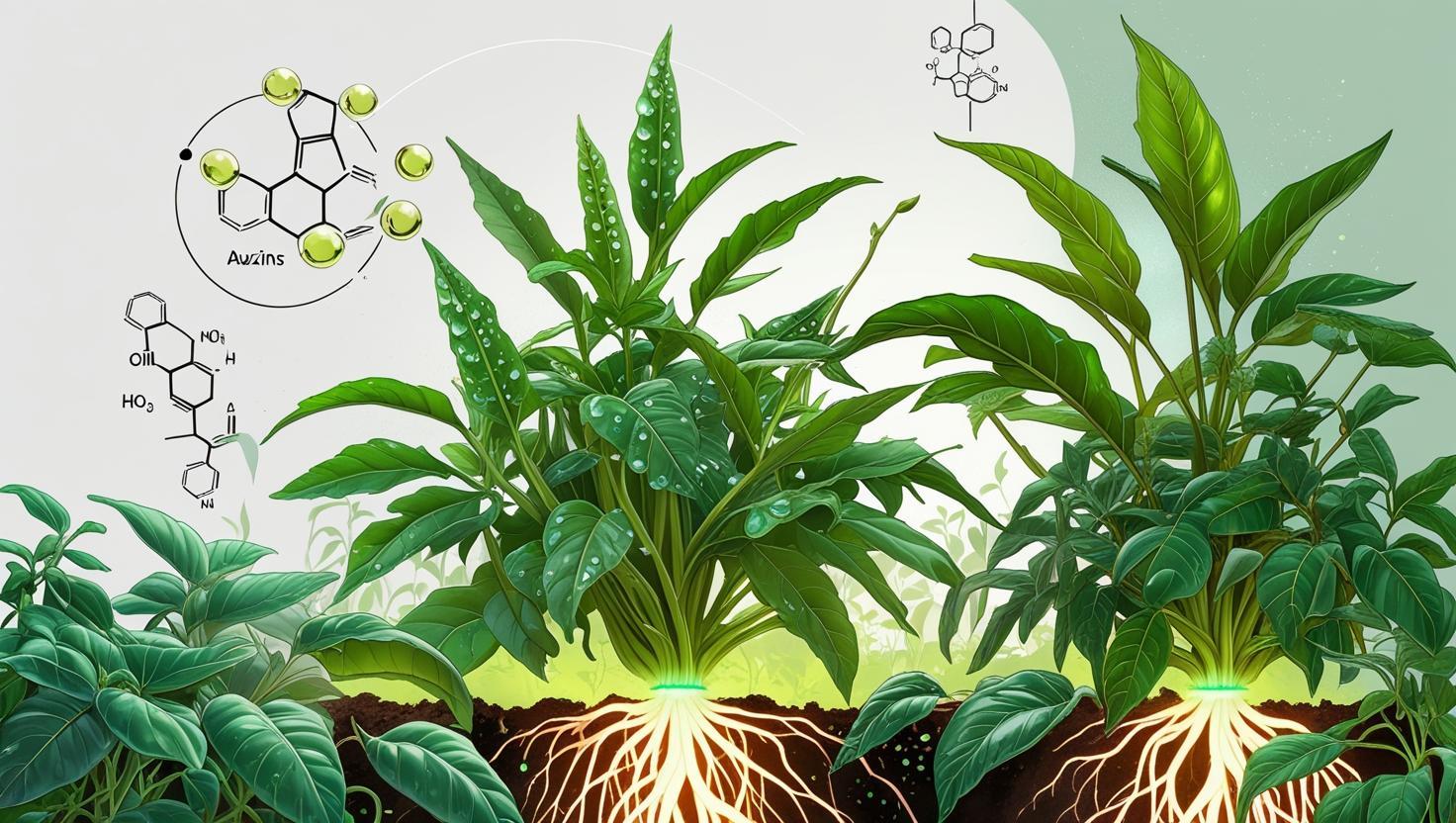
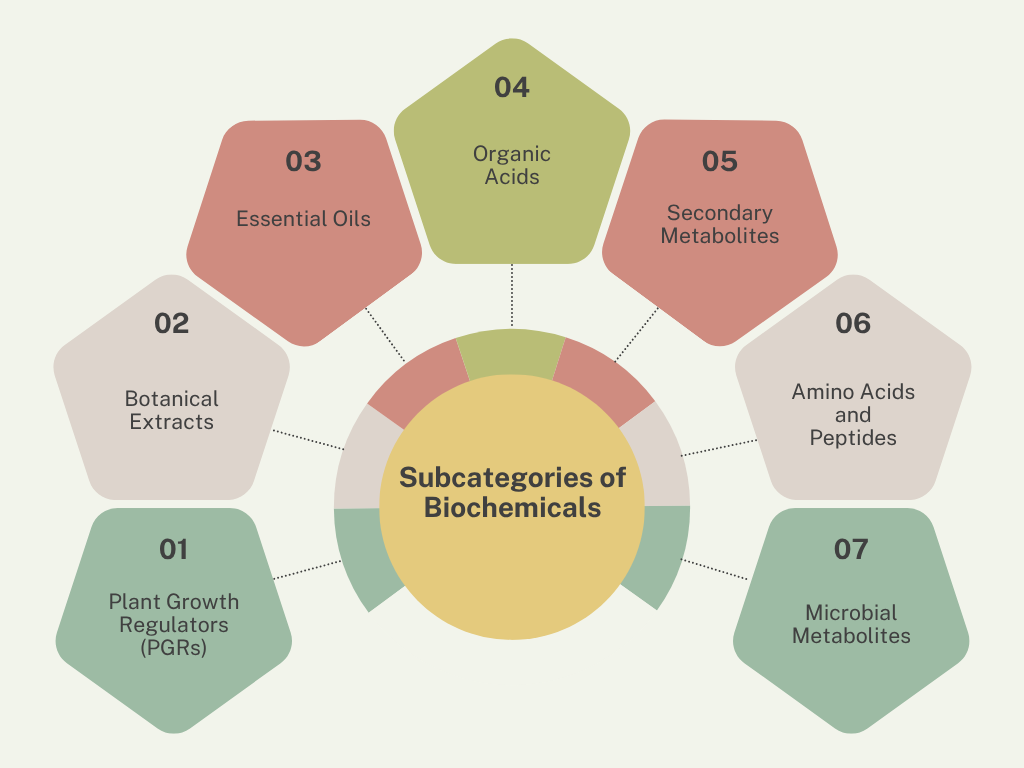
Biochemicals in plant health products are substances that can be either naturally derived or synthetically produced, influencing plant growth, development, and resistance against pests and diseases. They play a crucial role in modern agriculture by offering targeted solutions that support plant health while minimizing environmental impact. Biochemicals include plant growth regulators, botanical extracts, organic acids, essential oils, and microbial metabolites. Unlike traditional fertilizers or pesticides, they often work in more specific ways to enhance plant resilience, improve growth, and support sustainable farming practices.
Subcategories of Biochemicals
1. Plant Growth Regulators (PGRs)
Plant growth regulators are vital biochemicals that directly influence plant physiology. They are categorized into five main types:
- Auxins: Promote root initiation, cell division, and elongation. Common auxins include indole-3-acetic acid (IAA) and indole-3-butyric acid (IBA).
- Gibberellins: Stimulate stem elongation, seed germination, and flowering (e.g., GA3).
- Cytokinins: Encourage cell division and delay leaf senescence.
- Ethylene: Regulates fruit ripening and flower senescence.
- Abscisic Acid (ABA): Controls stress responses, particularly during drought.
2. Botanical Extracts
Botanical extracts are derived from plants and serve various purposes, primarily in pest control and disease management. Notable examples include:
- Neem Extract (Azadirachtin): An insecticidal agent disrupting pest life cycles.
- Pyrethrins: Natural insecticides effective against a wide range of insects.
- Capsaicin: An insect-repelling compound from chili peppers.
3. Essential Oils
Essential oils contain volatile compounds offering antimicrobial, antifungal, and insecticidal properties. Some notable examples include:
- Clove Oil: Exhibits antibacterial and antifungal properties.
- Peppermint Oil: Repels insects and has antifungal properties.
- Thyme Oil: Effective against fungal pathogens and enhances plant resilience.
4. Organic Acids
Organic acids play a significant role in soil health and plant nutrition. Key examples include:
- Citric Acid: Enhances nutrient availability and can lower soil pH.
- Lactic Acid: Promotes beneficial microbial activity.
- Acetic Acid: Used in weed management while improving soil conditions.
5. Secondary Metabolites
Secondary metabolites serve protective functions in plants, including:
- Alkaloids: Compounds like nicotine that provide natural pest control.
- Phenolic Compounds: Enhance plant defenses against environmental stresses.
- Saponins: Disrupt membranes of pests and pathogens.
6. Amino Acids and Peptides
While amino acids are naturally derived from plants and microbes, synthetic amino acids are also available, offering similar benefits in terms of stress tolerance and growth stimulation. They are especially useful in controlled agricultural practices.
Examples include:
- L-Glutamic Acid: Promotes root growth and nutrient uptake.
- L-Proline: Helps manage osmotic stress and improves drought resistance.
7. Microbial Metabolites
Beneficial microorganisms produce various metabolites that support plant health. Examples include:
- Exudates from Mycorrhizal Fungi: Enhance nutrient availability and plant stress tolerance.
- Bacterial Exudates: Stimulate plant growth and disease resistance.
Benefits of Biochemicals
Biochemicals offer numerous advantages in agricultural practices:
- Sustainability: They support eco-friendly farming practices by reducing reliance on synthetic chemicals.
- Targeted Action: Unlike traditional pesticides, biochemicals are often more selective, minimizing harm to beneficial organisms.
- Improved Plant Health: They enhance plant resilience against stressors, contributing to higher yields and better quality produce.
- Regulatory Compliance: Biochemicals are often more acceptable under organic farming regulations, allowing farmers to meet market demands.
Conclusion
Biochemicals are integral to modern agriculture, enhancing plant growth, improving resilience, and providing sustainable pest management solutions. From plant growth regulators and botanical extracts to amino acids and microbial metabolites, these natural compounds offer a diverse range of applications. As the agricultural industry shifts toward organic and environmentally friendly practices, the demand for biochemicals continues to grow, solidifying their role in future farming strategies.