

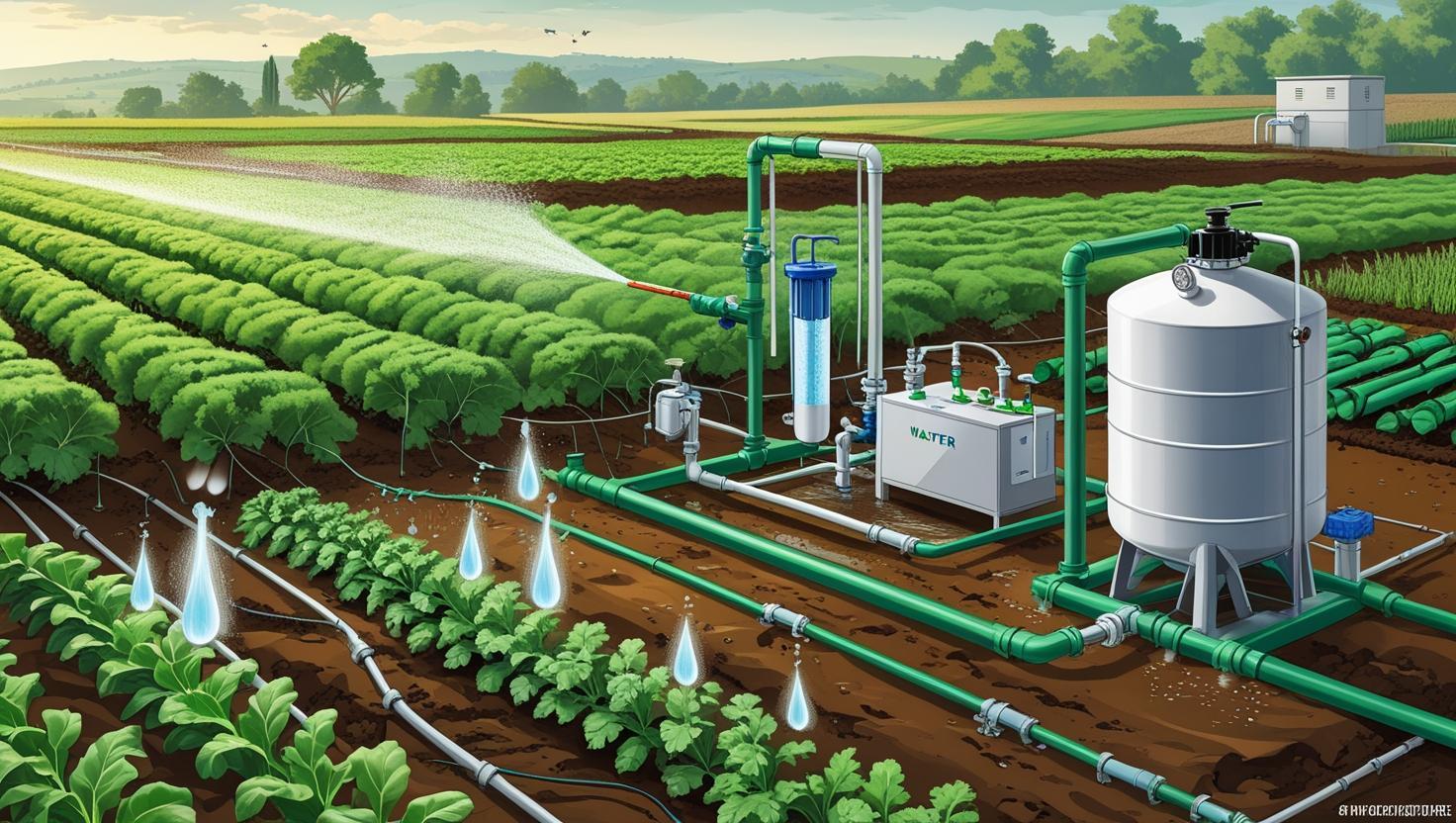
India, with its vast agricultural sector, consumes a significant portion of freshwater resources. In fact, over 90% of India’s freshwater is used for agriculture. Given this massive demand, efficient water management is critical for sustainable farming. Recognizing this, the Indian government has been actively promoting micro irrigation, a system that delivers water precisely where and when it’s needed.
What is Micro Irrigation?
Micro irrigation is an advanced, water-efficient irrigation technique that delivers water directly to plant roots in precise, small quantities—through drips, tiny streams, sprays, or mists. This system minimizes water loss and maximizes plant hydration efficiency.
Key Features of Micro Irrigation:
Low Pressure & Flow Rate: Uses less water by delivering only what is needed—no more, no less.
Targeted Application: Water is directed exactly where the plant needs it, reducing runoff, deep percolation, and evaporation.
In India, traditional flood irrigation still dominates. However, micro irrigation is gaining momentum as a sustainable alternative.
As of 2022–23, only 11% of irrigated land (around 8 million hectares) was under micro irrigation—out of India’s total 73 million hectares of irrigated farmland.
Top Adopting States:
Karnataka, Tamil Nadu, Gujarat, Maharashtra, and Andhra Pradesh lead the way in implementing micro irrigation systems.
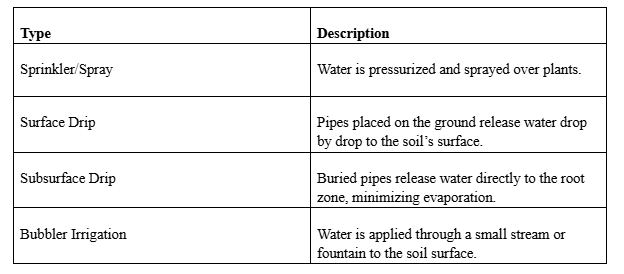
Types of Micro Irrigation Systems
Components of a Drip Irrigation System
1. Pump Station - Supplies water from the source at the right pressure.
2. Control Valves - Manage the discharge and pressure across the system.
3. Filtration System - Removes impurities from water, essential for preventing blockages.
4. Fertilizer Tank/Venturi - Allows precise fertilizer application along with irrigation.
5. Pipes (Mainlines, Submains, Laterals) - Made of PVC or polyethylene, these pipes deliver water to the field.
6. Emitters/Drippers - Release water at a controlled rate, ensuring even distribution.
7. By-Pass Assembly and Pressure Gauge - Regulates pressure and prevents system malfunctions.
Benefits of Micro Irrigation
Adopting a micro irrigation system offers a range of environmental, economic, and agronomic benefits that make it ideal for sustainable farming:
- Significant Water Savings: Reduces water usage by 35% to 65% compared to traditional flood irrigation—crucial for water-scarce regions.
- Energy Efficient: Less water pumping = lower electricity consumption and reduced operational costs.
- Minimized Evaporation & Weed Growth: Delivers water directly to plant roots, keeping surrounding areas dry and discouraging weed growth—cutting down on herbicide use.
- Better Fertilizer Use: Fertilizers can be applied directly through the system, improving nutrient absorption and minimizing runoff or leaching.
- Reduced Plant Disease: By avoiding leaf wetting, the system lowers the risk of fungal and bacterial infections in crops.
- Soil Conservation: Prevents erosion, preserves soil structure, and retains nutrients—ensuring long-term soil health.
- Adaptability: Suitable for a wide range of soil types, slopes, and terrains, including undulating or fragmented farmland.
Drawbacks of Micro Irrigation
Despite its many benefits, the adoption of micro irrigation faces several challenges, especially in rural and resource-limited settings:
- High Initial Investment: The cost of installation—including pumps, pipes, emitters, and filters—can be prohibitive for small and marginal farmers, even with subsidies.
- Ongoing Maintenance Requirements: Micro irrigation systems demand routine upkeep to prevent clogging and ensure efficiency. These maintenance costs are often not covered under standard government support schemes.
- Limited Technical Know-how: Many farmers lack the necessary training to install, operate, and troubleshoot these systems, which can result in poor performance or disuse.
- Reliance on Stable Water & Power Supply: Inconsistent access to electricity or water, common in many rural areas, can disrupt system functionality and reduce efficiency.
Government Initiatives to Promote Micro Irrigation
Pradhan Mantri Krishi Sinchayee Yojana (PMKSY) Launched in 2015 -16, this umbrella scheme involves the Ministries of Jal Shakti, Agriculture, and Rural Development. One of its primary goals is to increase water efficiency and reduce waste in agriculture.
Per Drop More Crop (PDMC), A component of PMKSY, PDMC specifically promotes drip and sprinkler irrigation systems through subsidies, technical support, and awareness programs. As of 2022, more than 8 million hectares were covered under PDMC.
Micro Irrigation Fund (MIF) Established in 2018-19 with NABARD, the fund had an initial corpus of 5,000 crore INR to support micro irrigation projects across states.
Adoption Rates and Regional Differences
Despite government efforts, micro irrigation adoption remains relatively low. Factors influencing adoption include:
- Water Availability and Crop Patterns: Micro irrigation is more effective in regions with water scarcity.
- State-Level Subsidies and Support: States like Maharashtra, Tamil Nadu, and Gujarat offer additional incentives.
- Farm Size and Farmer Preferences: Smaller land holdings and a preference for traditional methods slow adoption rates.
Conclusion
Micro irrigation holds immense potential for water conservation and efficient farming in India. Through initiatives like PMKSY, PDMC, and MIF, the government is actively working to make this technology accessible to farmers across the country. Increased adoption, however, will require continued efforts in farmer training, financial support, and awareness building. By investing in micro irrigation, India can ensure sustainable agriculture, support water conservation, and create a resilient farming community.